We have been lied to. Society tells us that to be productive, we must be excellent multitaskers.
We eat lunch while checking email. We listen to podcasts while writing reports. We scroll TikTok while watching Netflix.
We think we are being efficient. However, science says we are just making ourselves tired and stupid.
If you want to be truly lazy (meaning: you want to finish work early and go home), you need to stop multitasking. You need to master Single-Tasking.
The Myth of Multitasking
Your brain literally cannot do two complex tasks at once.
When you think you are multitasking, you are actually “task-switching.” Your brain is frantically jumping back and forth between tasks. Basically, it is like turning a light switch on and off a thousand times a minute. Eventually, the bulb burns out.

This switching cost lowers your IQ and kills your focus.
How Single-Tasking Saves You Time
Single-tasking means doing one thing, with zero distractions, until it is done.
It feels slower at first, but it is actually much faster. For example:
- Multitasking: Writing an email while checking Slack takes 20 minutes (and the email has typos).
- Single-Tasking: Closing Slack and writing the email takes 5 minutes.
By focusing on one thing, you finish faster. And when you finish faster, you get back to doing nothing sooner.
3 Ways to Practice Single-Tasking
1. The “Full Screen” Rule
When you are working on a document, make it full screen. Hide your tabs. Hide your taskbar.
If you can see other tabs, your brain will want to click them. Therefore, remove the temptation. Out of sight, out of mind.
2. Leave Your Phone in Another Room
This is painful but necessary.
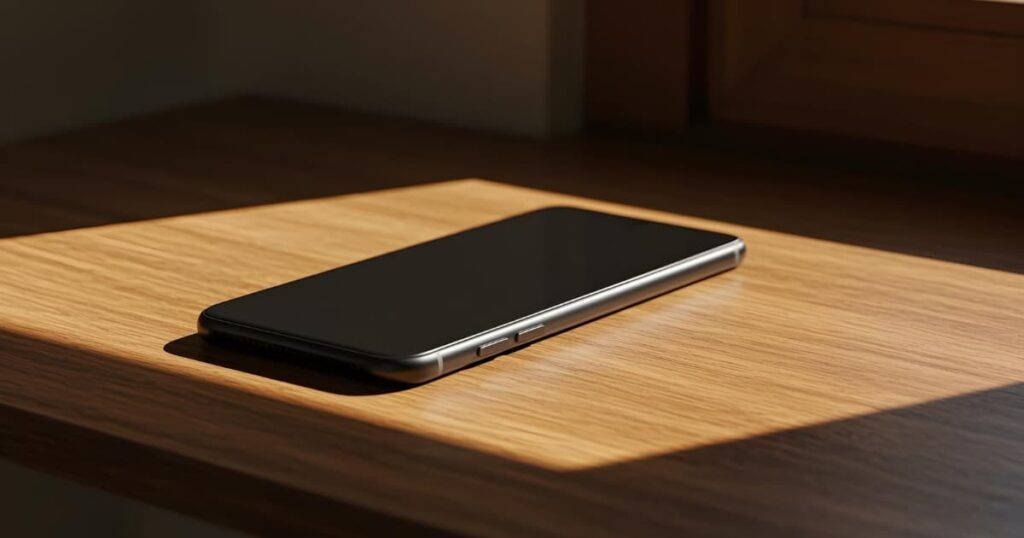
If your phone is on your desk, even if it is silent, it drains your cognitive energy. Your brain is actively resisting the urge to check it. Put it in a drawer or another room for 30 minutes.
3. Eat Without a Screen
Try this today. Eat your lunch without your phone, computer, or TV.
Just eat. Taste the food. Look at the wall. It will feel boring, but that boredom is your brain finally getting a rest.
Conclusion
Multitasking is for people who like to be busy. Single-tasking is for people who like to be done.
So, close the other tabs. Do one thing. Finish it. Then, and only then, open the next one.
Tell me in the comments: How many tabs do you have open right now? Be honest.