Budgeting is boring. Tracking every single penny in a spreadsheet is exhausting.
However, you still want to save money. If you are too lazy to budget, you need a different strategy. Therefore, you need the No-Buy Month.
What Is a No-Buy Month?
The concept is simple. For 30 days, you commit to spending money only on absolute essentials.
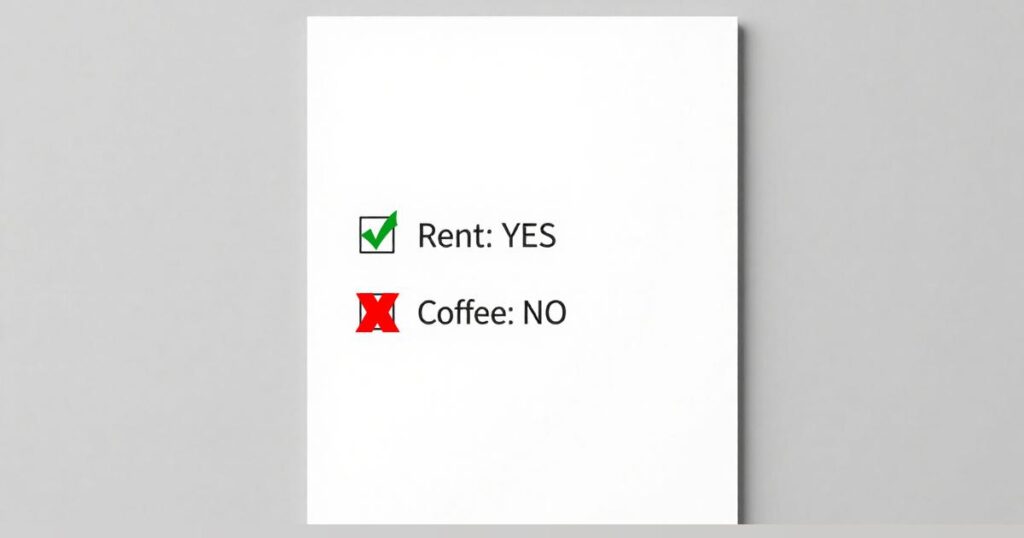
Specifically, you are allowed to pay for rent, utilities, groceries, and medicine. In contrast, you are forbidden from buying clothes, coffee, takeout, gadgets, or digital subscriptions.
Basically, if you don’t need it to survive, you don’t buy it.
Why It Works for Lazy People
Most financial advice requires you to make constant decisions. You have to ask, “Can I afford this coffee?” or “Does this fit my budget?”
On the other hand, a No-Buy Month removes the decision entirely. The answer is always “No.”
Consequently, you stop leaking mental energy. You don’t have to check your bank account because you already know the answer.
3 Rules for a Successful Freeze
1. Define Your “Essentials” First
Before you start, write down your allowed list.
For example, groceries are essential. A fancy dinner out is not. Therefore, define the gray areas now so you don’t cheat later.
2. Unsubscribe From Everything
Marketing emails are designed to trigger impulse buys.
Thus, you must unsubscribe from your favorite store newsletters. In addition, delete shopping apps like Amazon from your phone. If you can’t see it, you won’t buy it.

3. Use the “Shop Your Home” Rule
You will want to buy things. However, you probably already have what you need.
If you run out of a specific cleaning spray, look under the sink. Likely, you have a half-empty bottle of something else that works just as well. Use what you have.
Conclusion
You don’t need a complex financial plan. You just need a pause button.
To summarize, freeze your spending for 30 days. You will be shocked at how much cash is left in your account at the end of the month.

Tell me in the comments: What is the one “luxury” item you would miss the most during a spending freeze?