
You wake up tired. You drink coffee, but you still feel foggy. Then, at 10:00 PM when you should be sleeping, you are wide awake.
You feel “tired but wired.”
This isn’t just bad luck. It is biology. Specifically, it is Cortisol. This is your body’s built-in alarm system, and right now, the alarm is stuck in the “ON” position.
The “Fight or Flight” Trap
Cortisol is necessary. It helps you wake up. It helps you run from a tiger.
However, your brain cannot tell the difference between a tiger and an angry email. When you are stressed all day, your body floods with cortisol. As a result, your heart races, your digestion stops, and you store fat around your belly.

If you don’t lower it, you burnout. Here is how to turn the alarm off.
3 Lazy Ways to Lower Cortisol Naturally
You don’t need expensive supplements. You just need to send safety signals to your brain.
1. Stop the HIIT Workouts
If you are already stressed, high-intensity cardio (like running or CrossFit) spikes your cortisol even higher.
The Fix: Switch to “Slow Cardio.” Go for a long walk. Do yoga.

Walking lowers stress hormones instantly. Basically, it tells your primitive brain, “We are walking slowly, so there must be no tiger chasing us.”
2. The “Morning Light” Reset
Cortisol should be high in the morning and low at night. If you are “tired but wired,” your rhythm is flipped.
The Fix: View bright light within 30 minutes of waking up. Step outside or stand by a window.
This resets your clock. Consequently, your cortisol drops at the right time tonight, letting you sleep.
3. Box Breathing (The Panic Button)
You can physically force your nervous system to calm down using your breath.
Try this: Inhale for 4 seconds. Hold for 4 seconds. Exhale for 4 seconds. Hold for 4 seconds.
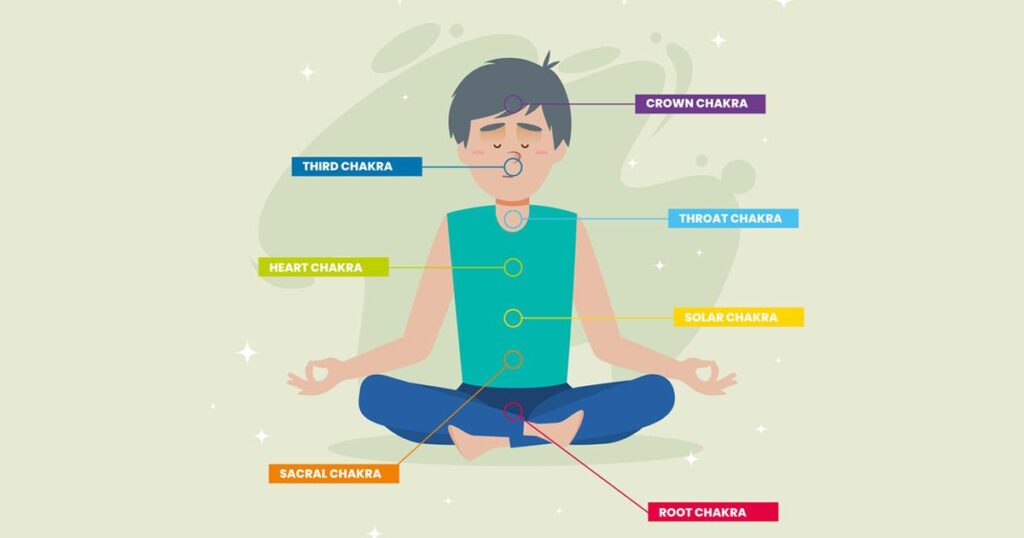
Do this for one minute. Usually, you will feel your shoulders drop and your heart rate slow down immediately.
Conclusion
Your body is trying to protect you.
It thinks you are in danger. So, your job isn’t to fight your body; it is to make it feel safe. Go for a walk, breathe deep, and turn off the alarm.
Tell me in the comments: Do you get the “3:00 AM wake up”? That is a classic sign of high cortisol!